
RSAC 2026... “Now With AI”... Innovation, Consolidation, and the CISO Reality Check
Jim Leone
3/27/20263 min read
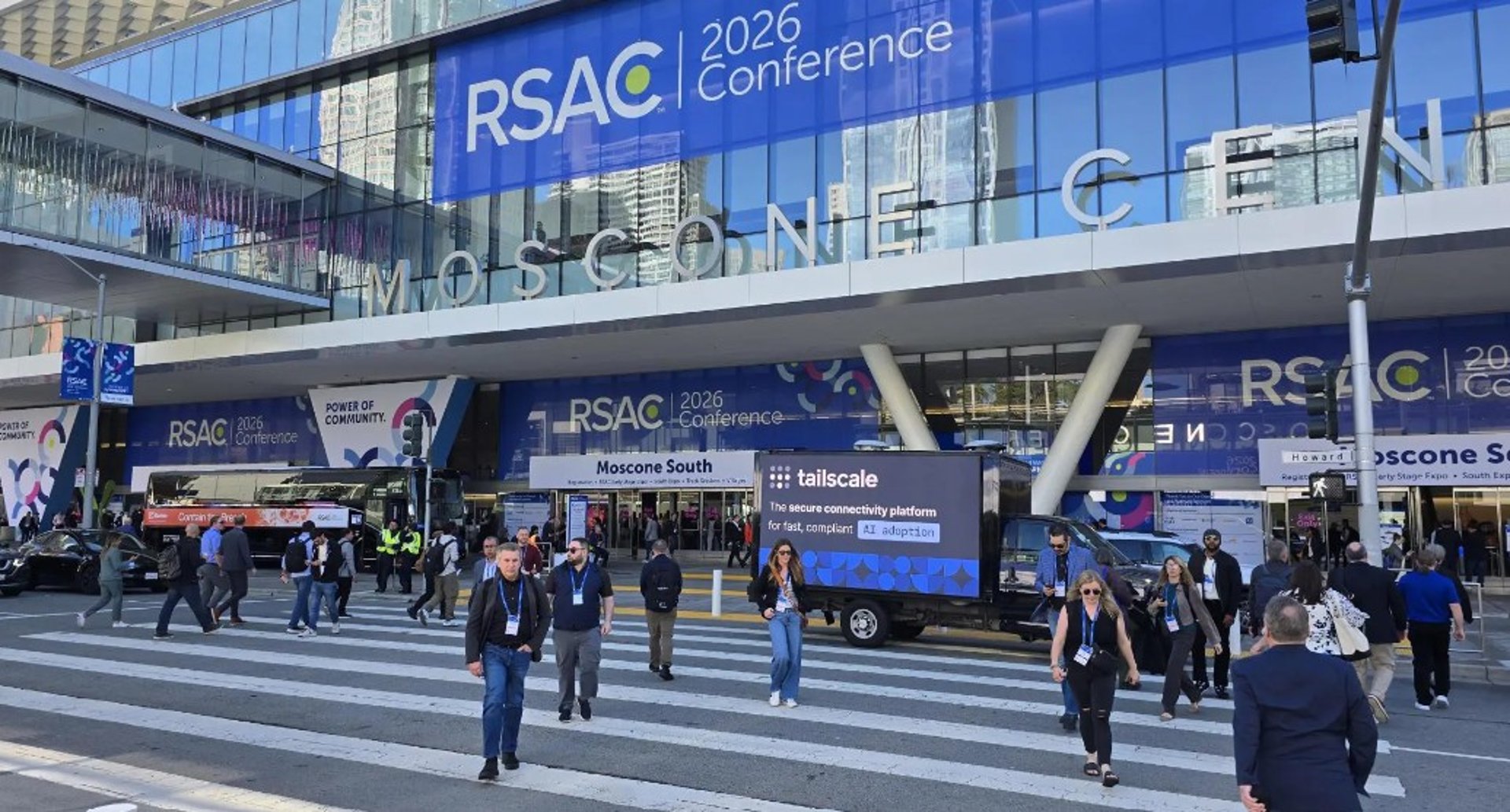
Walking into RSA Conference 2026 this year, the energy is undeniable. The expo floor is packed, the messaging is bold, and the innovation is real.
But as an IT Security Professional, CISO, or anyone responsible for outcomes, not just tools, what stands out isn’t just what’s new, it’s what it all means operationally. Because beneath the excitement, RSAC 2026 is telling me a much bigger story about where cybersecurity is headed, and where we need to be careful.
The Industry Is Expanding… and Collapsing at the Same Time
This year feels like a paradox. On one side, there’s an explosion of capability...
AI-driven detection and response
Identity-centric security models
Autonomous SOC workflows
Deep telemetry and analytics
On the other side, there’s a clear push toward platform consolidation. Vendors are rapidly evolving from...
Point solutions --> Platforms
Tools --> Ecosystems
Features --> “Everything solutions”
In fact, one of the dominant strategic messages I've seen here at RSAC 2026 is simplification through consolidation, with an emphasis on fewer tools and more deeply integrated telemetry.
Yes, that sounds great on paper. But from a leadership standpoint, it raises a critical question for me... Are we reducing complexity… or just moving it into larger, more opaque platforms?
Because operational complexity doesn’t disappear, it just changes shape.
AI... From Differentiator to Default (and Now… Saturation)
Let’s address the elephant in every booth... AI.
It’s everywhere.
AI-powered SOC
AI-driven correlation
AI-assisted threat hunting
AI-native platforms
Agentic AI systems making autonomous decisions
At this point, AI has officially crossed from innovation… into branding.
It reminds me of:
“Y2K compliant”
“Cloud-enabled”
“HD-ready”
Now it’s... “Now with AI.”
I was honestly shocked my bottled water didn’t say: “AI-enhanced filtration for optimal purity and clarity.”
Give it another year, I'm sure we'll see it. ;)
Underneath the marketing noise, something real is happening. AI is accelerating detection and response, enabling autonomous workflows, and reshaping attacker capabilities.
For me, that last one matters most.
At RSAC, leaders are emphasizing that AI is now both the top defensive capability AND one of the fastest-growing attack vectors.
AI-generated phishing is now widespread
AI-assisted attacks are scaling faster than traditional defenses
Threat actors are industrializing attack development
In fact, some estimates suggest the majority of phishing activity now involves AI-generated content. So the conversation is no longer, “Should we adopt AI?” It’s, “How do we control, secure, and trust it?”
The Shift From Alerts to Outcomes
If there’s one area where the industry is finally aligning with reality, it’s in recognizing that alert fatigue is no longer acceptable. Across vendors and conversations, three themes keep surfacing:
1. Signal Over Noise
Security leaders are done with:
Thousands of alerts
Low-confidence detections
Manual triage overload
There's a clear shift toward:
Prioritized alerts
Contextual enrichment
Automated triage
2. Correlation Across Everything
Not just logs. But...
Identity + endpoint + network + SaaS
All stitched into a single narrative
This aligns with the broader push toward deeply correlated telemetry and unified security architectures.
3. SOC Evolution --> Autonomous & Assisted
I'm seeing a move toward AI-assisted investigations, autonomous hypothesis generation, and human-in-the-loop decision models. Some are calling this the “Autonomous SOC” era, where analysts shift from triage to oversight.
As vendors push toward autonomous AI agents, platform consolidation, ands deep integration across environments. We’re also increasing...
Blast radius
Systemic risk
Dependency on opaque decision-making
There’s growing concern around, “Shadow AI agents” operating outside visibility, lack of control over autonomous actions, and the inability to quickly contain or isolate AI-driven processes. From an executive perspective, this becomes a governance issue, not just a technology one.
After cutting through the noise, the priorities coming out of RSAC 2026 are surprisingly consistent:
• DLP (Reimagined)
Not legacy DLP, but... Context-aware, identity-driven, and integrated into workflows
• Alert Reduction & Operational Efficiency
If a platform doesn’t reduce analyst workload, it’s not solving a problem, it’s adding one.
• Cross-Platform Correlation
Better decisions across connected data.
• AI Governance (Not Just AI Adoption)
We need the ability to...Control it, Audit it, and Trust it.
My Takeaway
RSAC 2026 isn’t just about technology. It’s about disciplines. Because for every, “AI-powered” feature, “Unified” platform, or “Autonomous” capability, there’s a leadership decision behind it. Leaders asking, "Do we adopt this?" "Do we trust this?" "Do we actually need this?"
I feel the biggest risk right now isn’t falling behind, it’s chasing everything.
The IP HighWay
Stay updated with the latest IT security news.
info@iphwy.com
© 2025. IPHwy LLC. All rights reserved.